Biometric Wrist Straps Monitor Muscle Tension Patterns in Prolonged Fighting Game Esports Events
Eden Griffin · Oct 24, 2026
Biometric Wrist Straps Monitor Muscle Tension Patterns in Prolonged Fighting Game Esports Events
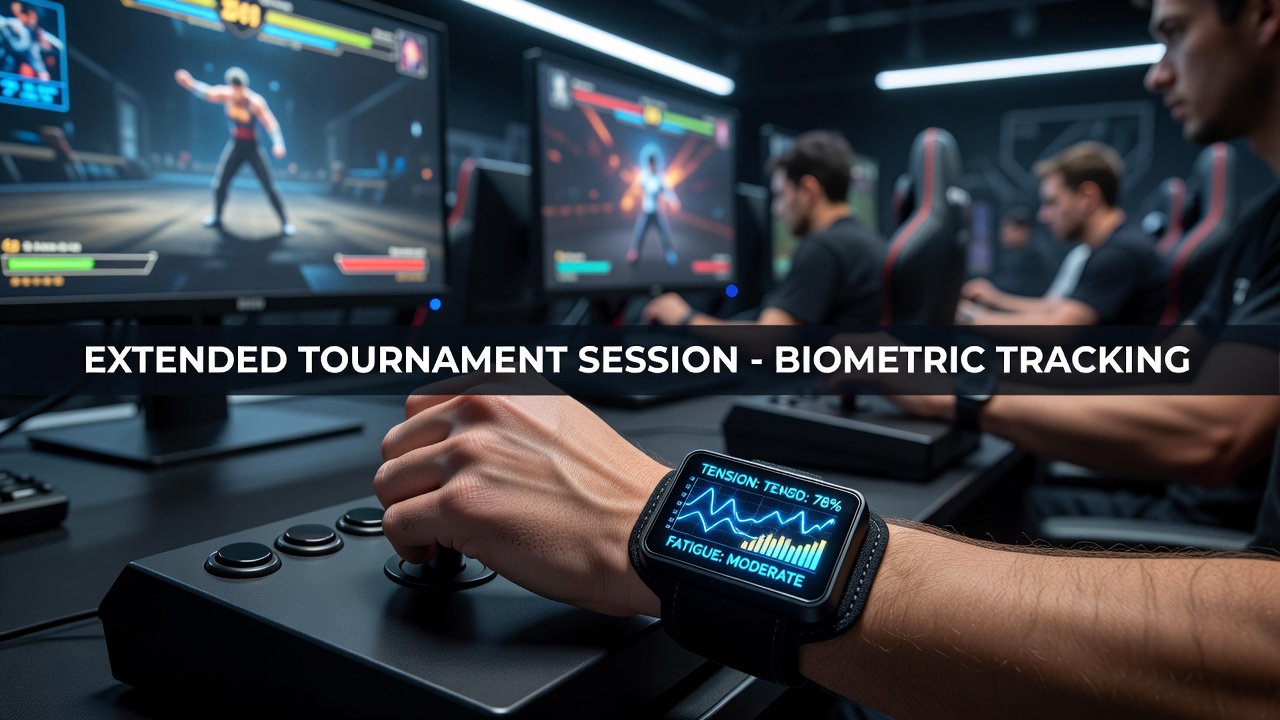
Biometric wrist straps equipped with electromyography sensors have entered fighting game tournament circuits to record muscle tension data across extended match sessions, and researchers track these patterns to identify fatigue thresholds in players competing in titles such as Street Fighter 6 and Tekken 8. The devices sit on the forearm and capture electrical activity from muscles involved in rapid button presses and joystick movements, which produces datasets that organizers and medical teams review after each round.
Technology Behind the Wrist Straps
Each strap contains surface electrodes that detect electromyographic signals while players execute combos and defensive maneuvers, and the collected information transmits wirelessly to nearby analysis stations where software converts raw voltage readings into tension metrics over time. Engineers calibrate the sensors to distinguish between baseline resting states and peak contractions that occur during high-stakes sequences, which allows separation of normal exertion from early signs of strain. In October 2026 several major circuits adopted standardized calibration protocols so that data from different venues could be compared directly without adjustment errors.
Deployment at Major Tournaments
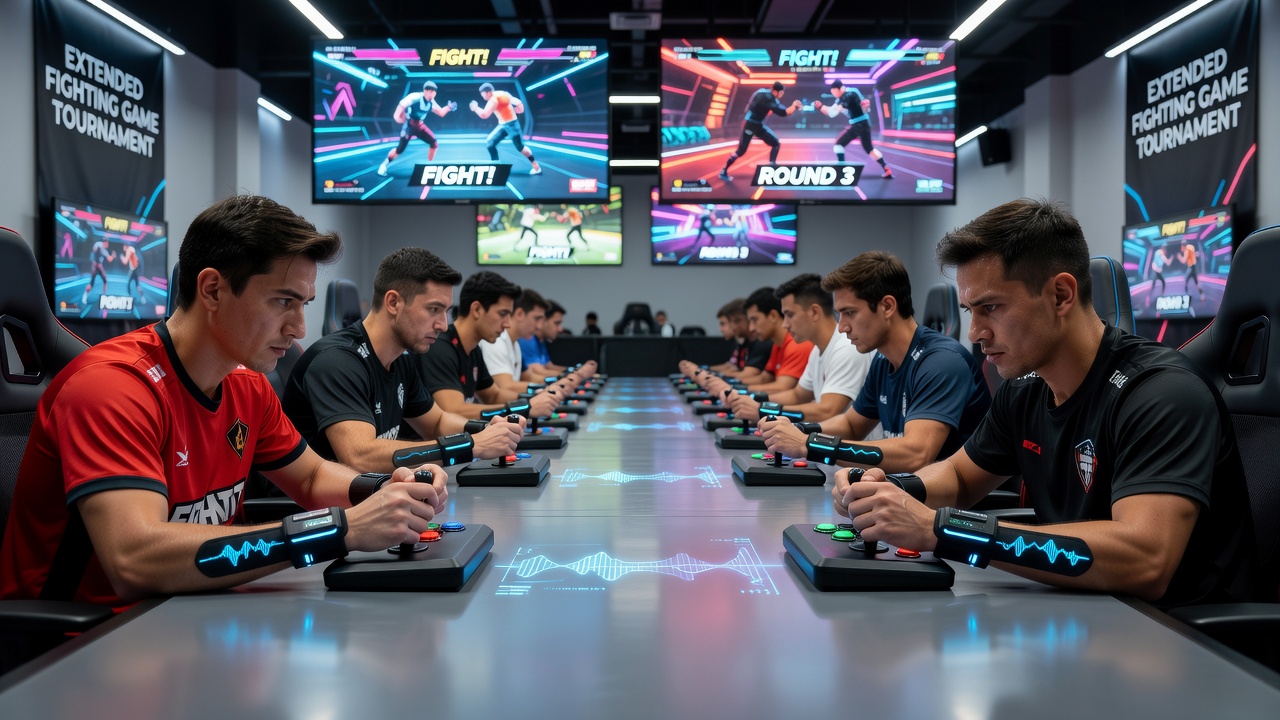
Event staff distribute the straps to competitors before pools begin, and participants wear them through preliminary matches that sometimes stretch beyond four hours of continuous play. Data logs show that muscle tension in the dominant forearm rises steadily during the first ninety minutes then plateaus unless recovery breaks interrupt the pattern, while non-dominant hand readings remain lower but spike during critical defensive reactions. Organizers integrate the readings with existing match timers so that medical observers receive alerts when tension levels exceed predefined thresholds established through prior laboratory testing.
Insights from Collected Data
Analysis of sessions held throughout 2025 and into 2026 reveals that players who maintain consistent tension curves across multiple rounds experience fewer involuntary input errors in later stages of brackets, and figures from the IEEE Sensors Journal indicate average tension increases of 18 percent after three consecutive hours of competition. Teams use these graphs to adjust warm-up routines and between-round stretching protocols, which in turn alters the shape of subsequent tension traces recorded during the same event. European research groups have cross-referenced the same datasets with heart-rate variability measurements to explore combined stress indicators without relying on subjective player reports.
Integration with Training and Recovery Programs
Coaches review post-tournament tension maps to identify specific move sequences that generate prolonged high-load periods, and they modify practice drills accordingly so that players build tolerance in those muscle groups before the next major event. One documented case involved a regional circuit in North America where participants who followed tension-guided recovery intervals reduced reported forearm discomfort by measurable margins in follow-up surveys. Academic institutions in Australia have begun pilot programs that feed similar biometric streams into machine-learning models designed to predict optimal substitution timing during team-based exhibition matches.
Regulatory and Privacy Considerations
Governing bodies require explicit consent forms that outline data retention periods and sharing policies before any strap is activated, and several circuits now store raw electromyography files on encrypted servers accessible only to designated medical personnel. The Health Canada guidelines on wearable medical devices have influenced how North American organizers handle biometric information collected at international qualifiers, while parallel frameworks in the European Union emphasize anonymization of individual player identifiers in published aggregate reports. These measures ensure that tension pattern statistics can inform broader esports health studies without exposing personal performance details.
Future Applications in Fighting Game Circuits
Developers continue refining strap hardware to reduce signal noise during rapid wrist rotations common in certain fighting game archetypes, and early tests suggest that next-generation models will incorporate additional channels for simultaneous grip-force measurement. Observers note that integration with existing tournament software platforms could allow real-time tension overlays visible only to coaches and medical staff, which would keep spectator focus on gameplay while still providing actionable health data behind the scenes. Research teams in Japan have started correlating these biometric streams with frame-perfect execution rates recorded by game engines, opening avenues for studies that link physical tension directly to mechanical input precision across long sets.
Conclusion
Biometric wrist straps now supply fighting game tournaments with objective records of muscle tension dynamics that span entire match days, and the resulting datasets support adjustments in training, scheduling, and medical oversight. Continued refinement of sensor accuracy alongside clearer data governance frameworks positions the technology as a standard component in future competitive environments where sustained physical performance remains essential.